Can a pellet stove cause carbon monoxide?
Pellet stoves have become increasingly popular in recent years as a sustainable and efficient heating solution. They combine convenience with environmental friendliness and are often cheaper to use than traditional heating methods. But with this increase in use, the question also arises: can a pellet stove cause carbon monoxide? In this article, we dive deep into this issue and give you all the information you need to heat safely with a pellet stove.

What is carbon monoxide (CO)?
Carbon monoxide is a colourless, odourless and tasteless gas produced during incomplete combustion of fossil fuels such as wood, gas, oil or coal. Because it is undetectable without special equipment, it is also known as the "stealth killer". Carbon monoxide poisoning can lead to serious health problems and even death.
Symptoms of carbon monoxide poisoning:
- Headache
- Vertigo or dizziness
- Nausea and vomiting
- Fatigue or drowsiness
- Loss of consciousness
So it is vital to know whether your heating system - such as a pellet stove - can produce this gas.
Ready for sustainable heating? Buy your pellet stove here.
Pellet stoves Gamma
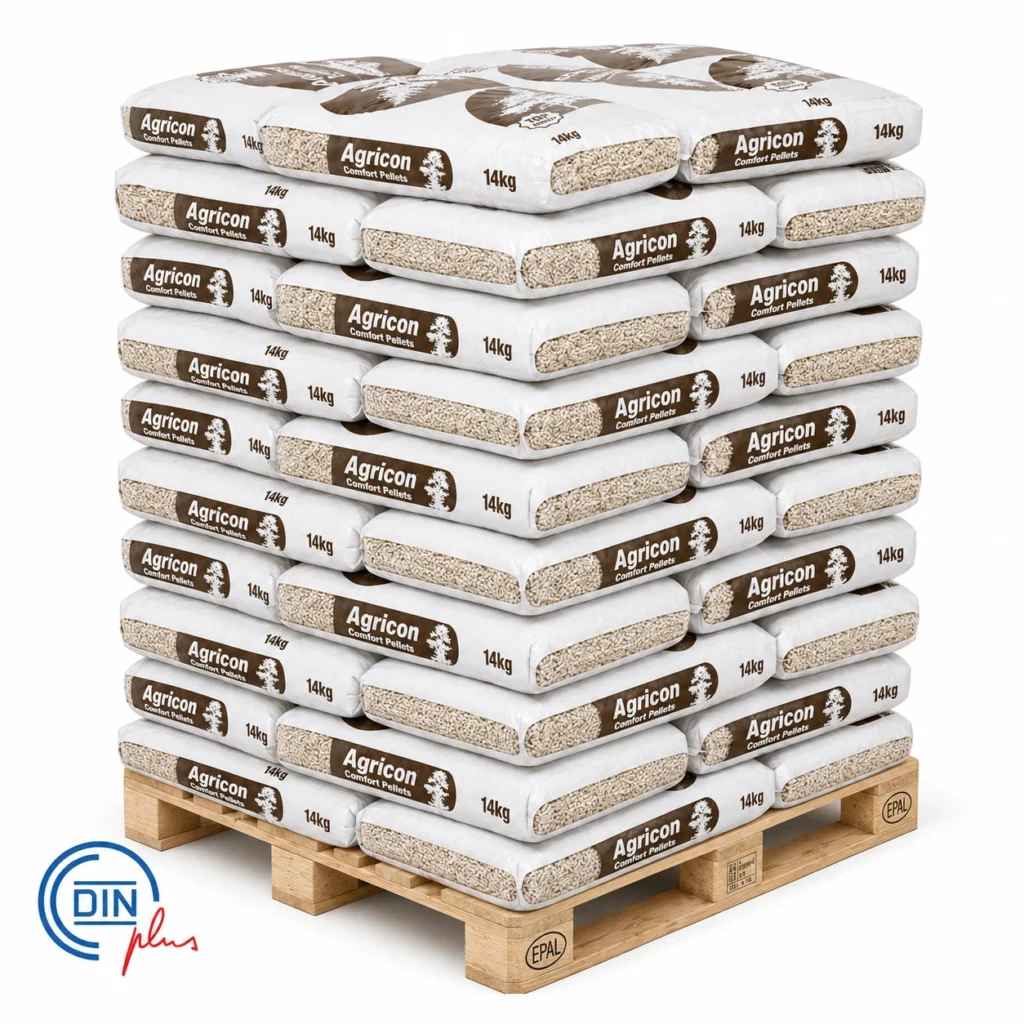
Agricon Comfort Pellets – full pallet – DINplus – 6mm
Price range: €5.45 through €355.00Fire Sticks Pellets – full pallet – Enplus A1 – 6mm
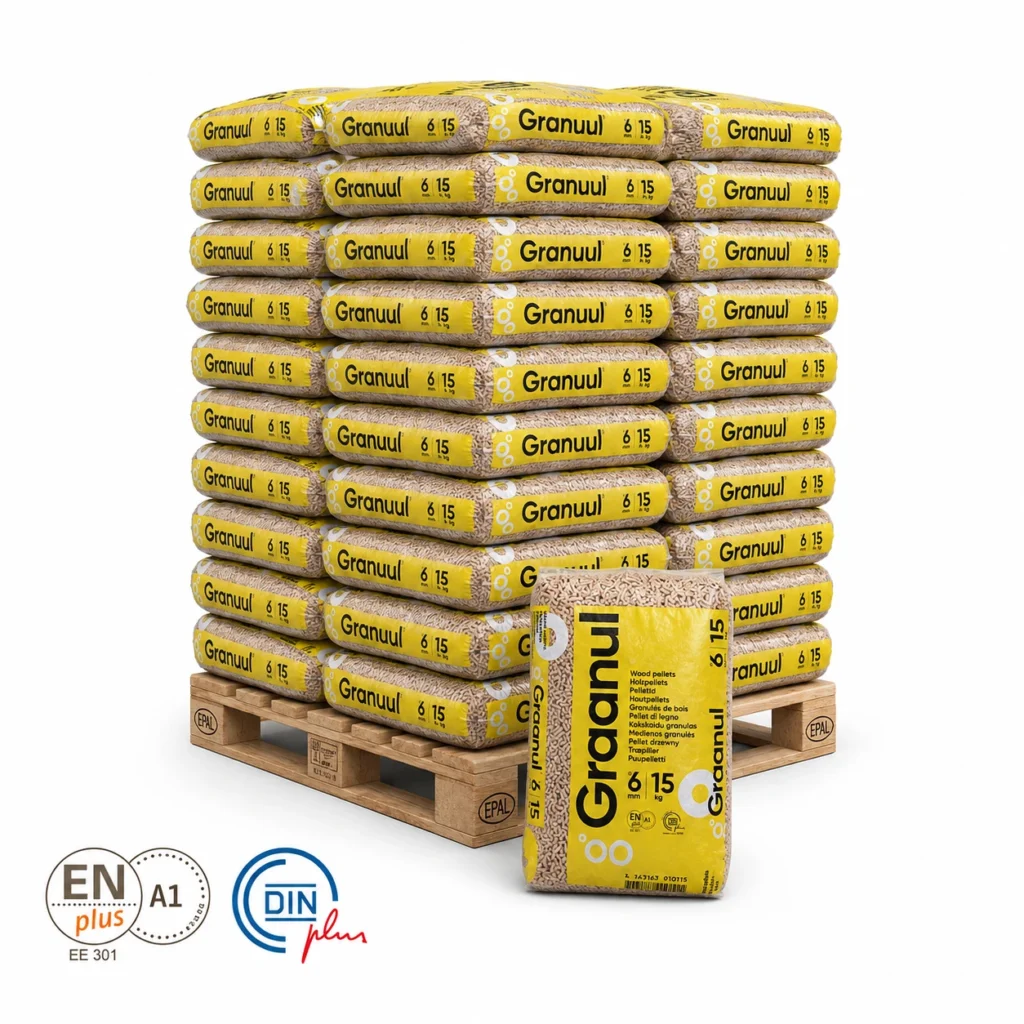
Price range: €6.30 through €409.50Graanul Pellets – full pallet – Enplus A1 – 6mm
Price range: €6.60 through €429.00

How does a pellet stove work?
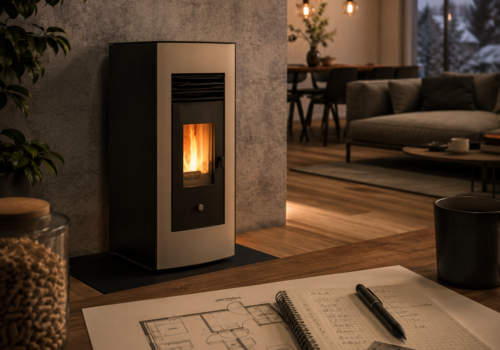
A pellet stove burns compressed wood pellets (pellets) to generate heat. These pellets are automatically fed from a reservoir into the combustion chamber. Combustion is controlled by electronic systems that ensure optimal air supply and temperature control.
Key features of a pellet stove:
- Connected to a flue: Pellet stoves always need a flue to carry flue gases to the outside.
- Airtight combustion: Modern models are often closed systems where air is supplied from outside.
- Automatic control: Most stoves self-regulate the supply of pellets and air for efficient combustion.
Can a pellet stove produce carbon monoxide?
Yes, in certain circumstances a pellet stove can cause carbon monoxide. Although properly functioning pellet stoves are designed for complete combustion with hardly any CO released, defects or incorrect installation can lead to dangerous situations.
Possible causes of CO emissions from pellet stoves:
- Poor ventilation or drainage problems: If flue gases are not discharged properly, they can accumulate in the house.
- Poor installation or maintenance: An incorrectly positioned stove or contaminated parts can lead to incomplete combustion.
- Back pressure in the flue: In strong winds or blockage, flue gas may flow back into the house.
- Leaking connections: Poorly sealed pipes can leak flue gas into the living space.
Therefore, it is essential to have your stove installed correctly by a certified professional and serviced annually.
Carbon monoxide detector: essential for every stove
A simple but effective way to protect yourself from CO poisoning is to install a good carbon monoxide detector. This detects the gas well before it becomes dangerous to your health.
Placement recommendations:
- Place the detector at breathing height in the room where the stove is located.
- Provide at least one detector per floor.
- Choose hallmarked detectors (e.g. EN50291).
How to prevent carbon monoxide problems with a pellet stove?
Prevention is the key to safety when using a pellet stove.
Tips for safe use:
- Choose quality: Invest in a CE-certified pellet stove from a reliable brand.
- Have installation carried out by approved installers.
- Have annual maintenance carried out on your stove and flue.
- Ensure adequate ventilation: Especially in well-insulated houses, air supply is crucial.
- Always install a carbon monoxide detector.
Installation and use considerations
*Safety starts with correct installation.*
Opt for professional advice:
- Get advice on the right type of stove for your house type and ventilation system.
- Make sure the flue meets the applicable standards (e.g. NEN standards).
- Do not place any obstacles around the stove that could impede air circulation.
Moreover, you should stay alert for warning signs such as smoke smell, soot formation or abnormal behaviour of the stove (such as failure or error messages).
What does the legislation say about CO safety?
The Netherlands has strict rules regarding the use of combustion appliances indoors. Among other things, the government advises having appliances that burn fuel checked annually. There are also guidelines from the fire brigade on the installation of CO detectors (Source: Fire Brigade Netherlands). Since July 2022, it is even mandatory to have at least one working CO detector on every floor where sleeping areas are located (in new construction or renovation).
Choosing between open and closed system?
Within the range of pellet stoves, you can choose between open and closed systems. A closed system draws air from outside through a separate pipe and is therefore safer and more efficient than open systems that use air from the room. For modern well-insulated homes, this is often the best choice.
Briefly: Can a pellet stove cause carbon monoxide?
Yes, but only under certain conditions such as poor installation, poor maintenance or inadequate ventilation.
However, with correct installation, regular maintenance and the use of reliable CO detectors, you can safely enjoy the benefits of your pellet heating without the risk of poisoning.
Frequently asked questions (FAQ)
Can any pellet stove cause carbon monoxide?
Basically not if installed correctly and maintained properly. Problems usually arise from defects, poor ventilation or incorrect installation.
Do I always need a CO detector with my pellet stove?
Yes, it is strongly recommended - and in some cases required by law - to always install at least one working carbon monoxide detector in rooms with combustion appliances such as pellet stoves.
What should I do if my CO detector goes off?
Leave the house immediately, call emergency services (112) immediately and then have your appliance checked by a recognised installer before using it again.
How often should I have my pellet stove serviced?
At least once a year. Regular maintenance prevents blockages and ensures safe operation without risk of CO leakage.
Is there any difference between brands in terms of safety against CO emissions?
Yes. Always choose reputable brands with CE labels and good safety and reliability reviews. Also ask for TNO-tested models if possible.
Pallet supplier nearby?
Wood pellets are easily available in our online shop, delivery in Belgium & Netherlands
Wood pellets Gamma
Agricola Pellets Bag 15kg - Enplus A1 - 6mm
Original price was: €7.10.€6.70Current price is: €6.70.
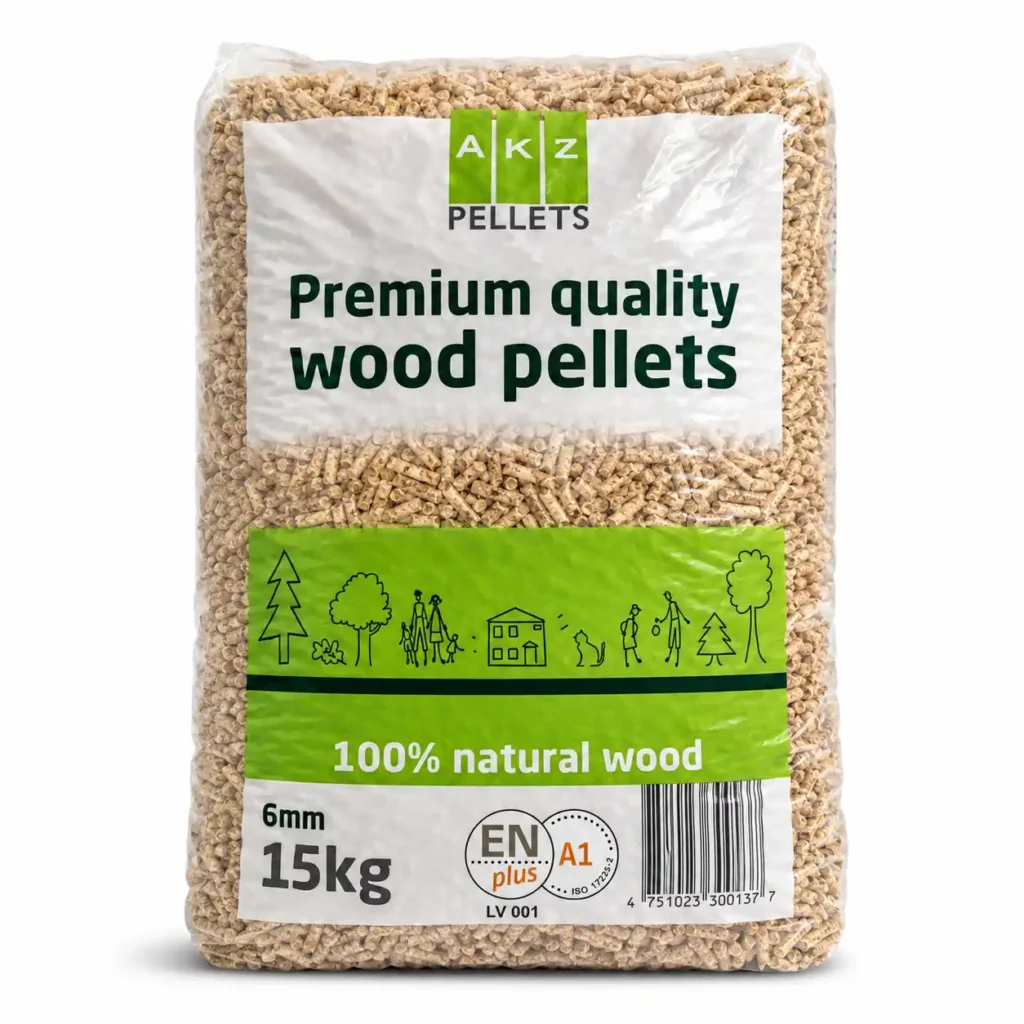
AKZ Premium Pellets Bag 15kg - Enplus A1 - 6mm
€7.00Jaso Pellets Bag 15kg - Enplus A1 - 6mm
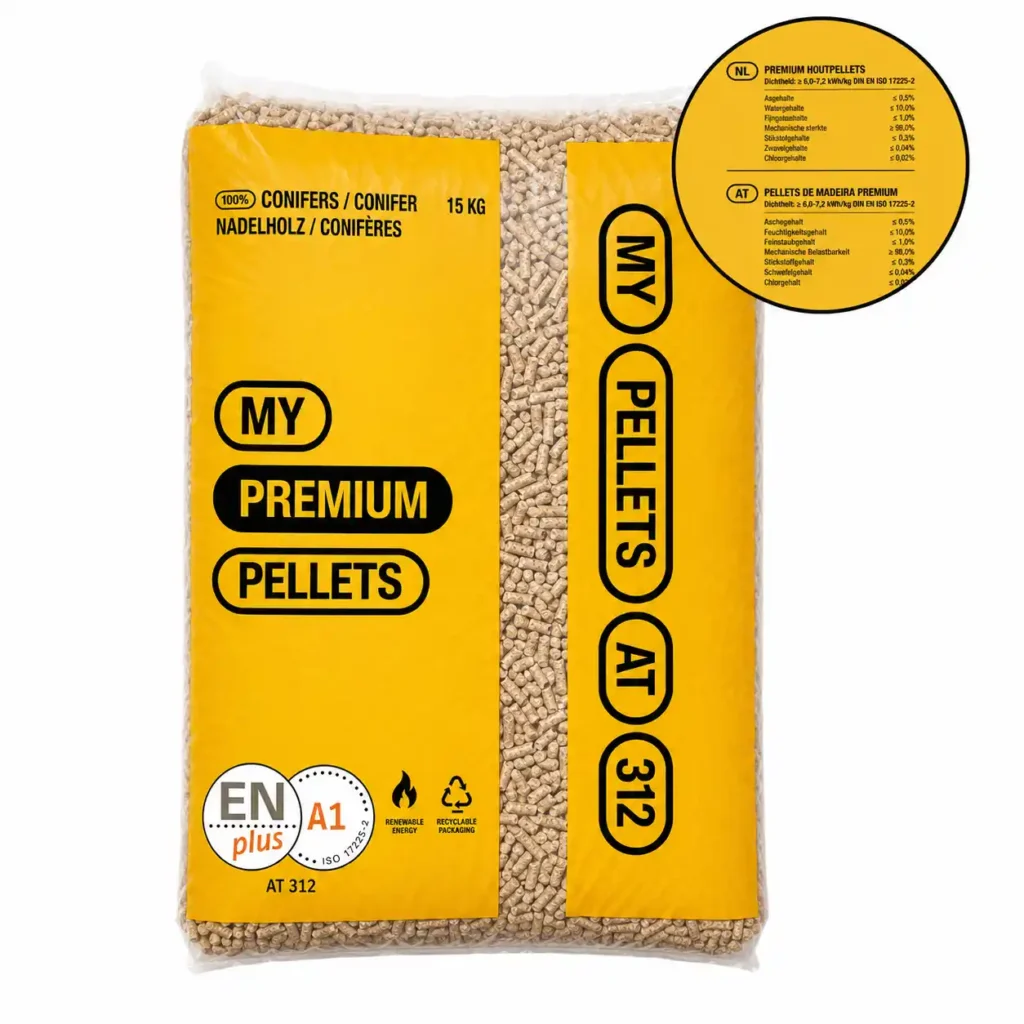
Price range: €6.50 through €422.50My Premium Pellets Bag 15kg - Enplus A1 - 6mm
Original price was: €7.00.€6.60Current price is: €6.60.