Why does your pellet stove smell in your home? Causes, Dangers and Solutions
A pellet stove is a popular and sustainable way to heat your home. Yet some users report that their pellet stove stinks in house. An unpleasant smell can not only be a nuisance, but also indicate a possible problem with the installation or operation of the stove. In this article, we explain why your pellet stove smells, what the possible causes are and how to solve this problem.

What is a pellet stove?
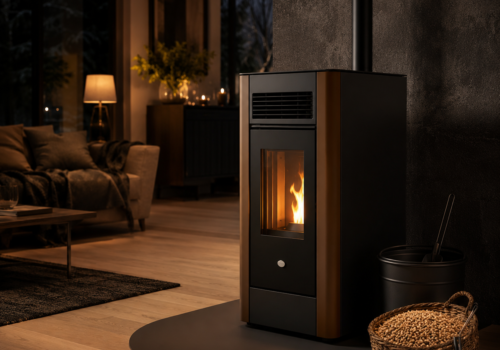
A pellet stove is a type of heating appliance that burns wood pellets to generate heat. These pellets are small cylindrical sticks made from compressed sawdust or wood waste. Pellet stoves are popular because of their high efficiency, low carbon emissions and use of renewable fuel.
Advantages of a pellet stove
- Sustainable: uses renewable fuel (wood pellets)
- Efficient: high efficiency up to 90%
- Low emissions: less particulate matter than traditional wood-burning stoves
- Automatically controlledtemperature and combustion are controlled electronically
Ready for sustainable heating? Buy your pellet stove here.
Pellet stoves Gamma
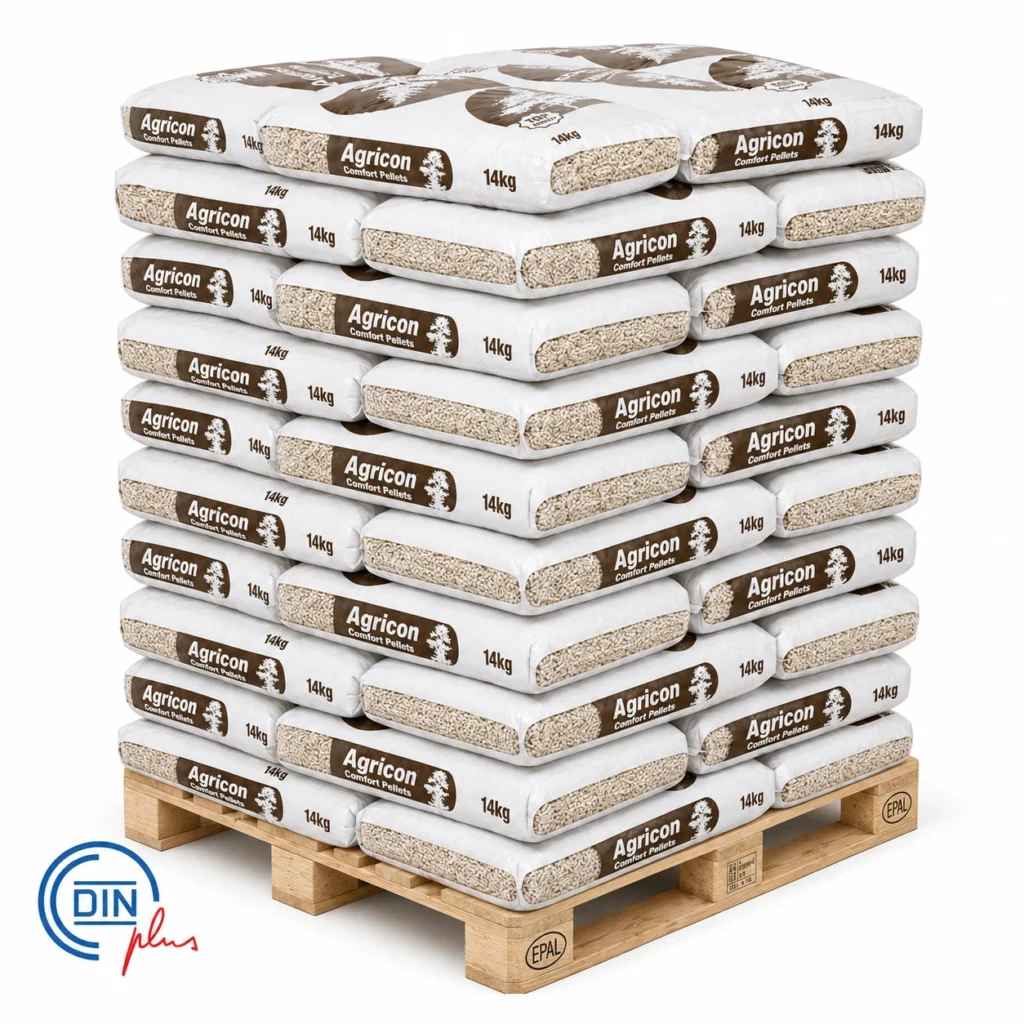
Agricon Comfort Pellets – full pallet – DINplus – 6mm
Price range: €5.45 through €355.00Fire Sticks Pellets – full pallet – Enplus A1 – 6mm
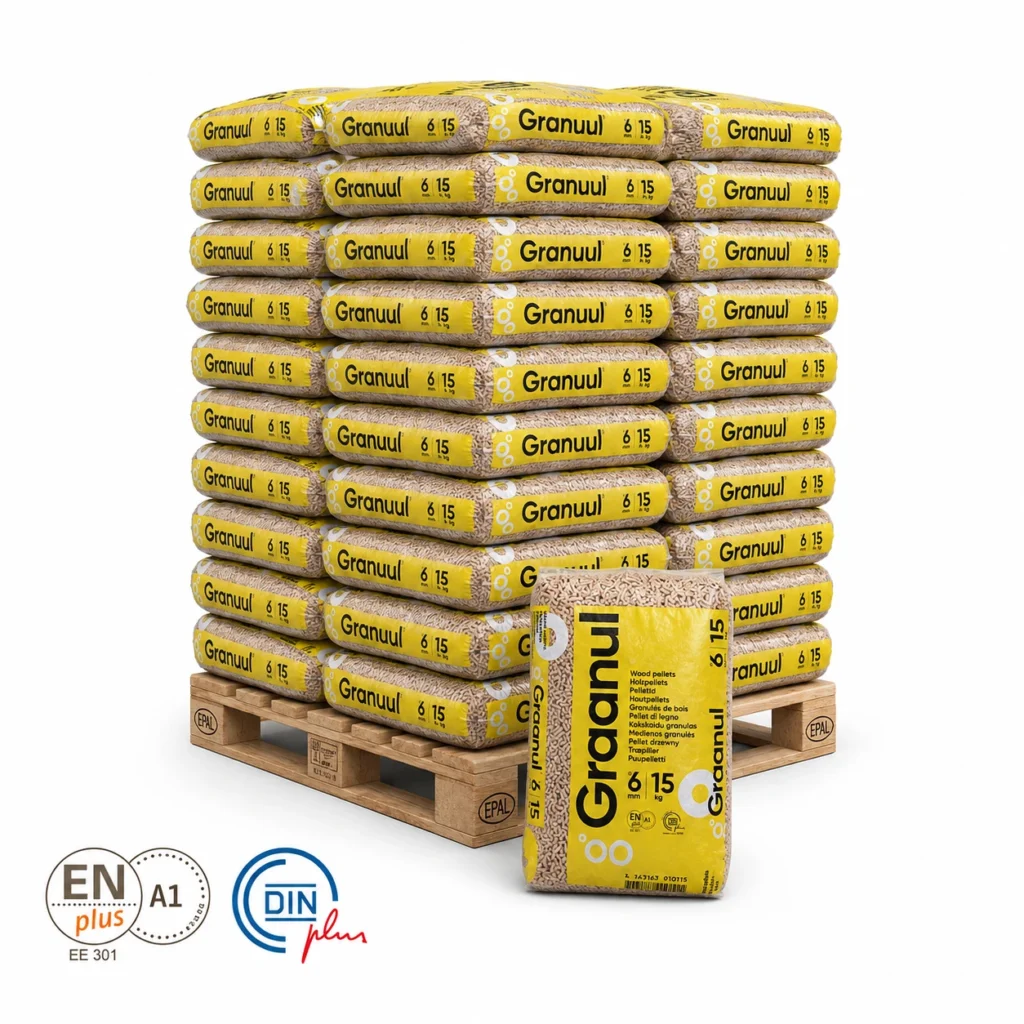
Price range: €6.30 through €409.50Graanul Pellets – full pallet – Enplus A1 – 6mm
Price range: €6.60 through €429.00

Why does a pellet stove smell in the house?
A properly functioning pellet stove should hardly give off any odour in the house. If you do notice that your pellet stove smells indoors, then there could be several reasons. Below, we discuss the most common reasons.
1. Poor or incorrect installation of the flue system
One of the most common causes of odour problems is faulty flue installation. If flue gases are not drained properly, they can flow back into the house.
- Leaking connections: Poor seals can leak smoke and odour.
- Chimney too short: Insufficient draft can lead to flue gas recoil.
- No outside air supply: The stove removes oxygen from the room, creating negative pressure and drawing smoke inside.
2. Insufficient ventilation in the room
Without proper ventilation, underpressure develops in the house, allowing flue gases to come back in through small openings. This often causes a musty or smoky smell.
3. Poor quality pellets
Poor or damp pellets burn incompletely, leading to more smoke and odour. Always use certified pellets (e.g. ENplus A1) to avoid this.
4. Dirty stove or clogged parts
A poorly maintained stove can lead to odour problems:
- Deposits in the combustion chamber
- Clogged fans or air ducts
- Poor disposal of ash residues and soot particles
5. Defective gaskets or seals
Gaskets around the door or glass can wear out over time, allowing smoke and odour to escape into the room.
Possible smells: what do they say?
The nature of the smell can say a lot about the problem:
- Petrol-like odour: often caused by chemical cleaners or wrong pellets.
- Musty smoke smell: usually indicates poor draft or leakage in the flue.
- Burnt-on smell: may indicate overheating or dirt build-up around the burner pot.
Dangers of odour problems with pellet stoves
Apart from the fact that a smelly pellet stove is unpleasant, it can also pose health risks:
- Carbon monoxide (CO) poisoning: Poor combustion or leakage can release CO - an odourless but deadly gas.
- Irritation to airways: Especially for people with asthma or allergies, smoke can cause symptoms.
- Poor indoor air quality: Prolonged exposure to smoke particles is unhealthy.
Therefore, always make sure your stove is working properly and install a carbon monoxide detector in the same room as the stove.
Solutions to a smelly pellet stove in your home
1. Have your installation checked by a recognised professional
Ensure that both the stove and flue are correctly installed according to the applicable standards (NEN standards for flue gas extraction systems). An approved installer can detect and correct any errors.
2. Use only high-quality pellets
Choose certified pellets with low moisture content and no chemical additives. This prevents incomplete combustion and unpleasant odours.
3. Maintain your stove regularly
- Cleaning burner pot: at least once a week for daily use.
- Cleaning heat exchanger: Check for deposits at least monthly.
- Have annual maintenance carried out by professional.
4. Improve ventilation and air supply
Ensure sufficient fresh air supply via an outside air duct or ventilation grille to prevent negative pressure.
5. Check gaskets and seals regularly
Gaskets around doors and glass should be intact to prevent smoke leakage. Replace worn parts in time.
Temporary fragrances: when do you not have to worry?
Certain odours are temporary and harmless:
- First-time use: new parts burn in, which can temporarily cause odour.
- After maintenance has been carried out: residues of cleaning agents may evaporate on first use.
As long as these odours disappear quickly, there is usually no reason to panic.
Tips to avoid odour problems with pellet stoves
- Ensure correct installation by certified installer (e.g. via www.installq.nl)
- Always choose quality labelled wood pellets (ENplus A1)
- Install a carbon monoxide detector in the same room as the stove
- Perform regular maintenance (self and professional)
- Annually check the flue for blockages or leaks
- Ensure adequate air supply via outside air duct or ventilation grille
- When in doubt, always have a specialist visit
Consistency with other problems: Pellet stove strikes out or makes noise?
Sometimes a smelly pellet stove is accompanied by other symptoms such as it failing (pellet stove cuts out during operation?) or makes noise (pellet stove makes noise?). These problems may be interrelated due to poor combustion, faulty components or incorrect settings.
Frequently asked questions (FAQ) about "Why does my pellet stove smell?"
- Is it normal for my pellet stove to smell on first use?
- During initial use, new parts may 'burn in', causing temporary odour. This usually disappears within a few hours to days.
- Are harmful substances released during odour formation?
- Sometimes it does - especially if there is poor combustion or leakage of flue gases. Carbon monoxide is the biggest risk here; so always install a CO detector in your home.
- Does poor quality pellets cause odour problems?
- Sure! Cheap pellets sometimes contain glue residue or moisture, leading to incomplete combustion and more smoke - i.e. more stench!
- Do I get warranty on my pellet stove if it stinks?
- The same depends on brand and supplier. Installation errors are often out of warranty; always consult your installer or supplier first in case of problems.
- Indoor air quality Improve – how do I do that?
- Ensure good ventilation, use quality fuel, have annual maintenance and install air purifiers if necessary.
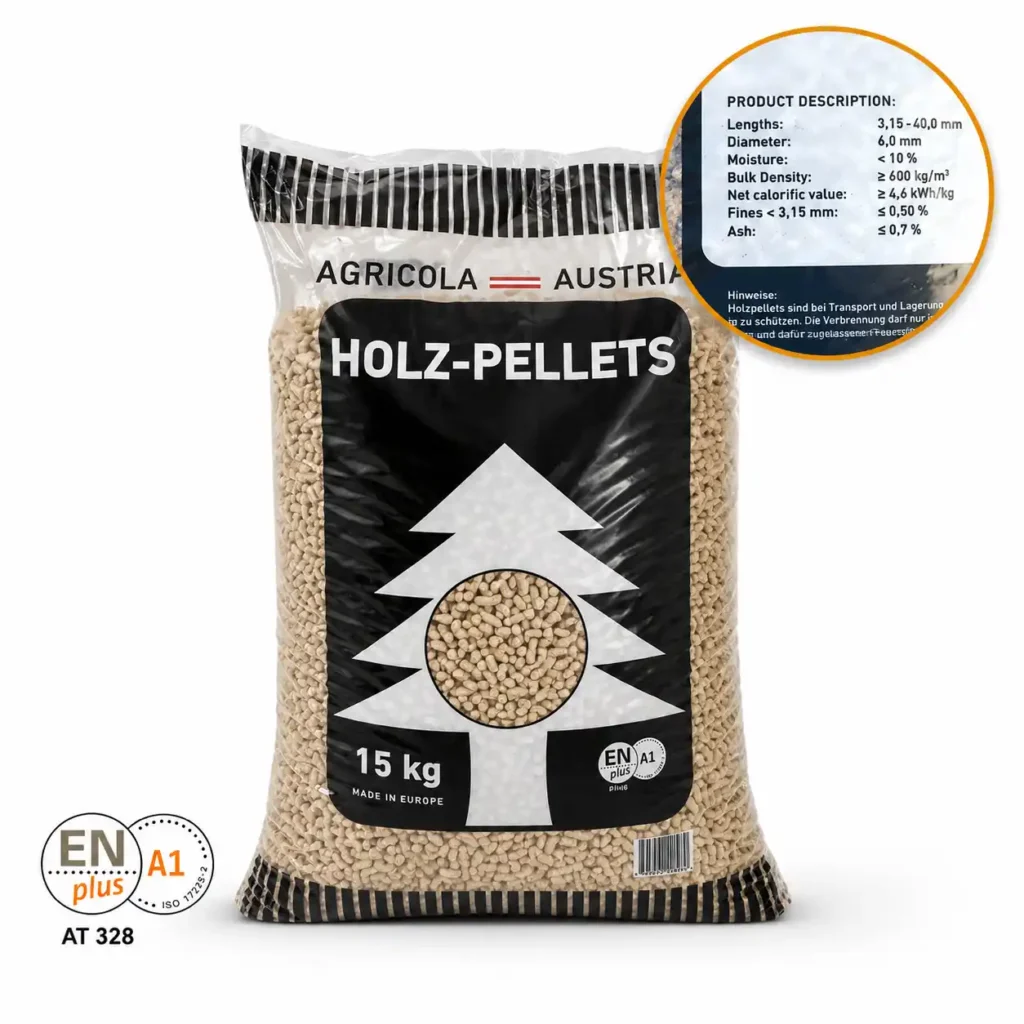
Agricola Pellets Bag 15kg - Enplus A1 - 6mm
Original price was: €7.10.€6.70Current price is: €6.70.
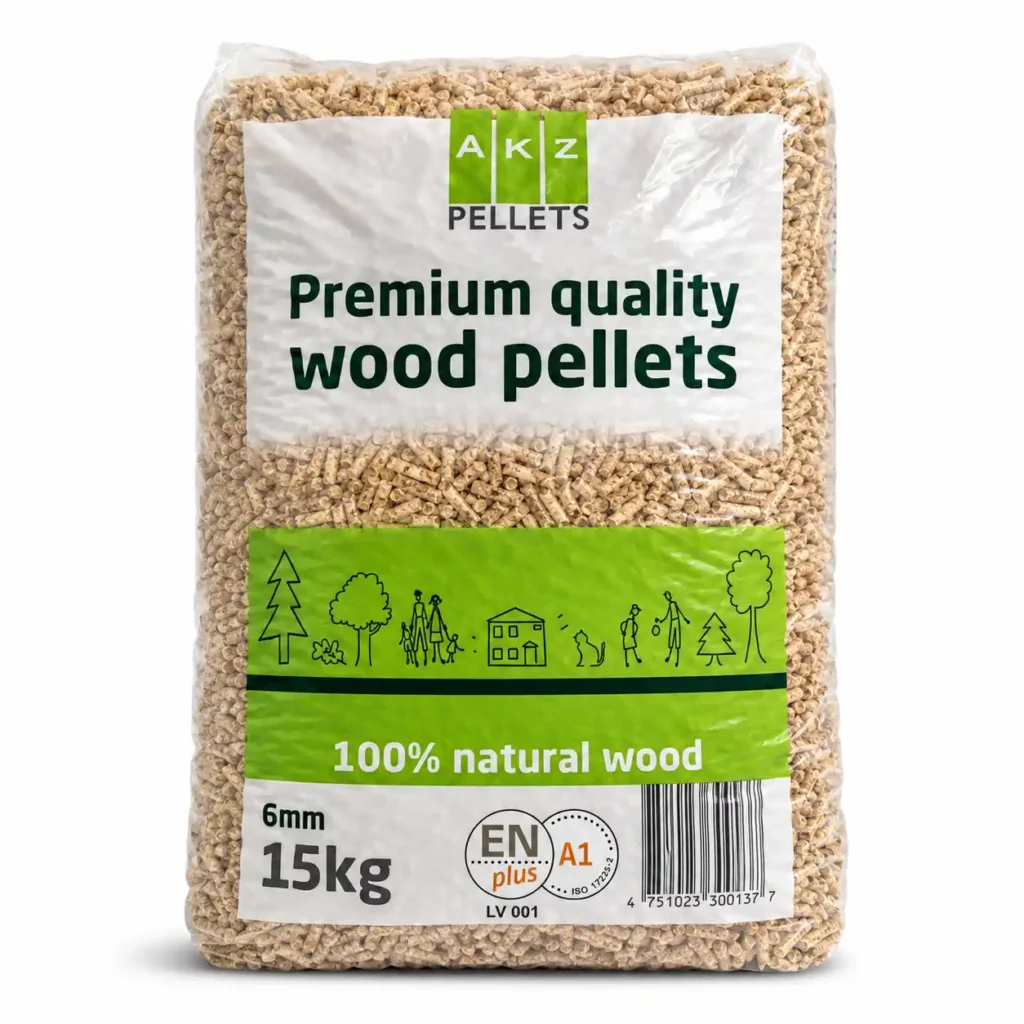
AKZ Premium Pellets Bag 15kg - Enplus A1 - 6mm
€7.00Jaso Pellets Bag 15kg - Enplus A1 - 6mm
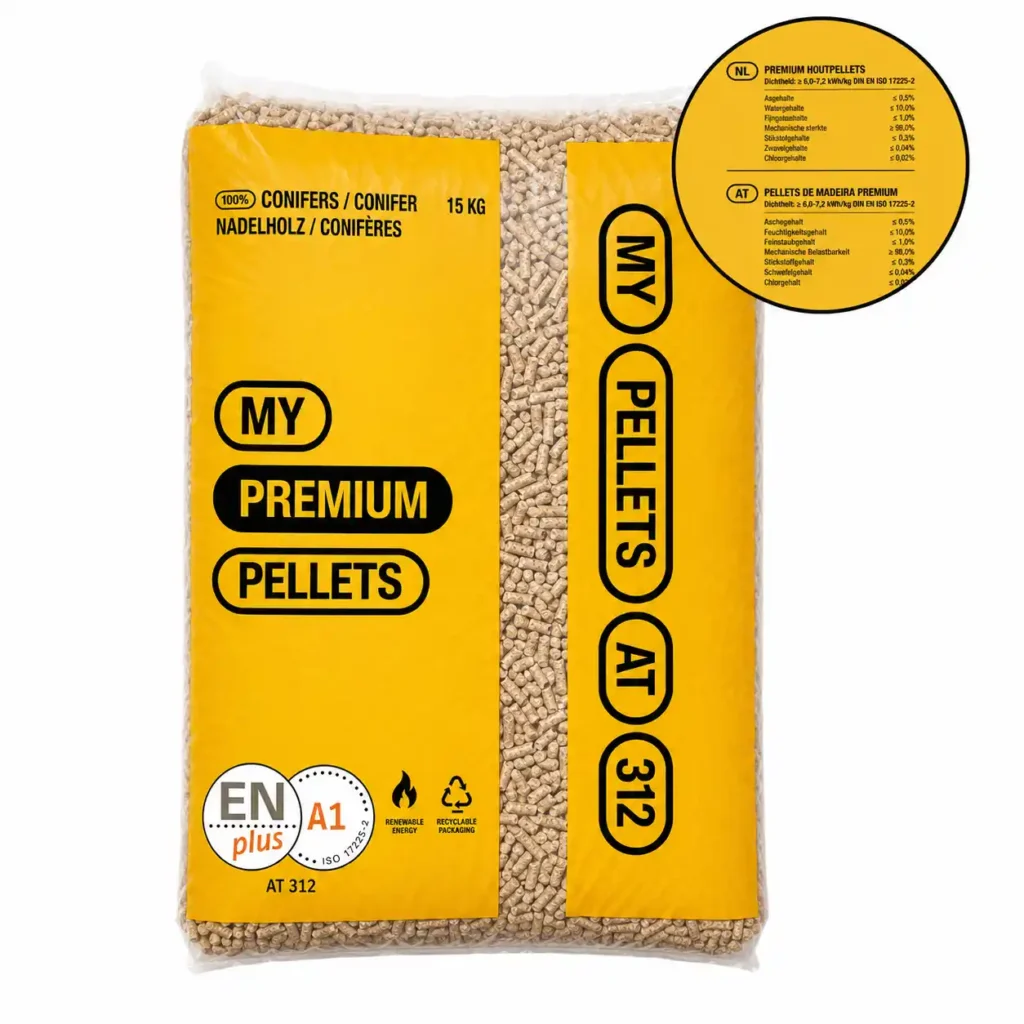
Price range: €6.50 through €422.50My Premium Pellets Bag 15kg - Enplus A1 - 6mm
Original price was: €7.00.€6.60Current price is: €6.60.
Pallet supplier nearby?
Wood pellets are easily available in our online shop, delivery in Belgium & Netherlands